January 8, 2026
Wood fences are a beautiful addition to any property, providing both functionality and aesthetic appeal. However, to ensure they last for years and maintain their appearance, proper maintenance is crucial. This guide aims to provide comprehensive steps for maintaining your wood fence effectively.
Understanding Your Wood Fence
Types of Wood Used in Fencing
Various types of wood are commonly used for fences, and each has its own set of characteristics. Cedar, redwood, pine, and spruce are popular choices due to their durability and natural resistance to decay. Cedar and redwood have natural oils that make them resistant to insect infestation, while pine and spruce are more affordable and widely available. Understanding the type of wood your fence is made from helps in selecting appropriate maintenance techniques. Knowing the type of wood also guides you in choosing the right stains, sealants, and protective coatings.
The need for maintenance varies with the type of wood selected. While cedar and redwood may require less frequent treatment, pine and spruce might need more protective applications against weather elements. It's crucial to assess the local climate and environmental conditions when choosing the wood type for your fence. This understanding helps you in predicting potential issues and planning the maintenance schedule accordingly. Thus, the maintenance needs must align with both the wood type and regional factors.
Matching the wood type with its intended use and location is key. For instance, using a rot-resistant wood like cedar in a moisture-prone area will likely yield a longer lifespan. According to Angie's List, wood fences typically last about 15 years on average, but proper maintenance can extend this period up to 20 years. Therefore, initial decisions about wood type can significantly impact the fence's longevity and the resources needed for its upkeep. Careful selection and understanding of your specific wood can decrease long-term maintenance challenges.
Benefits and Drawbacks of Wood Fences
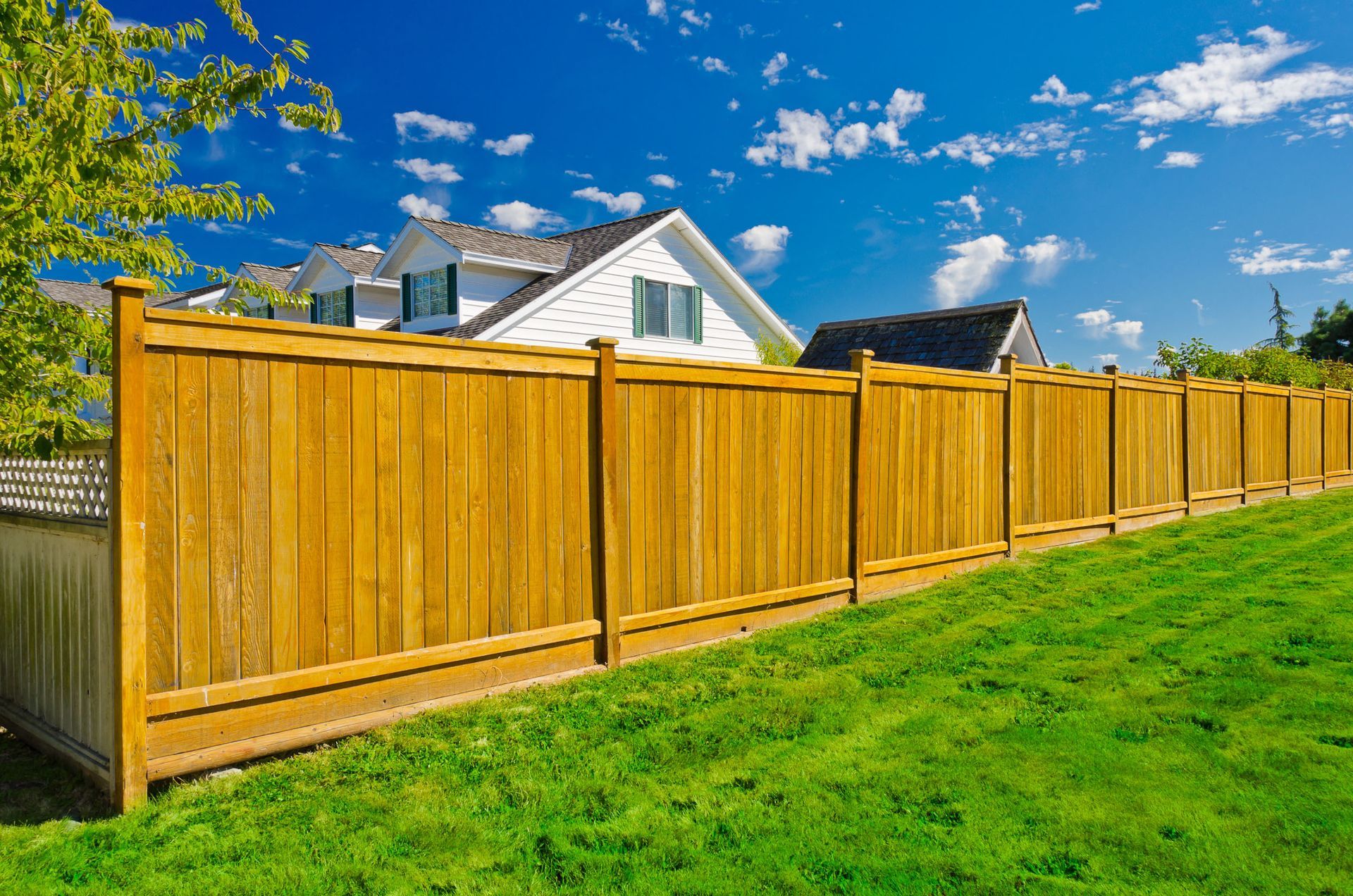
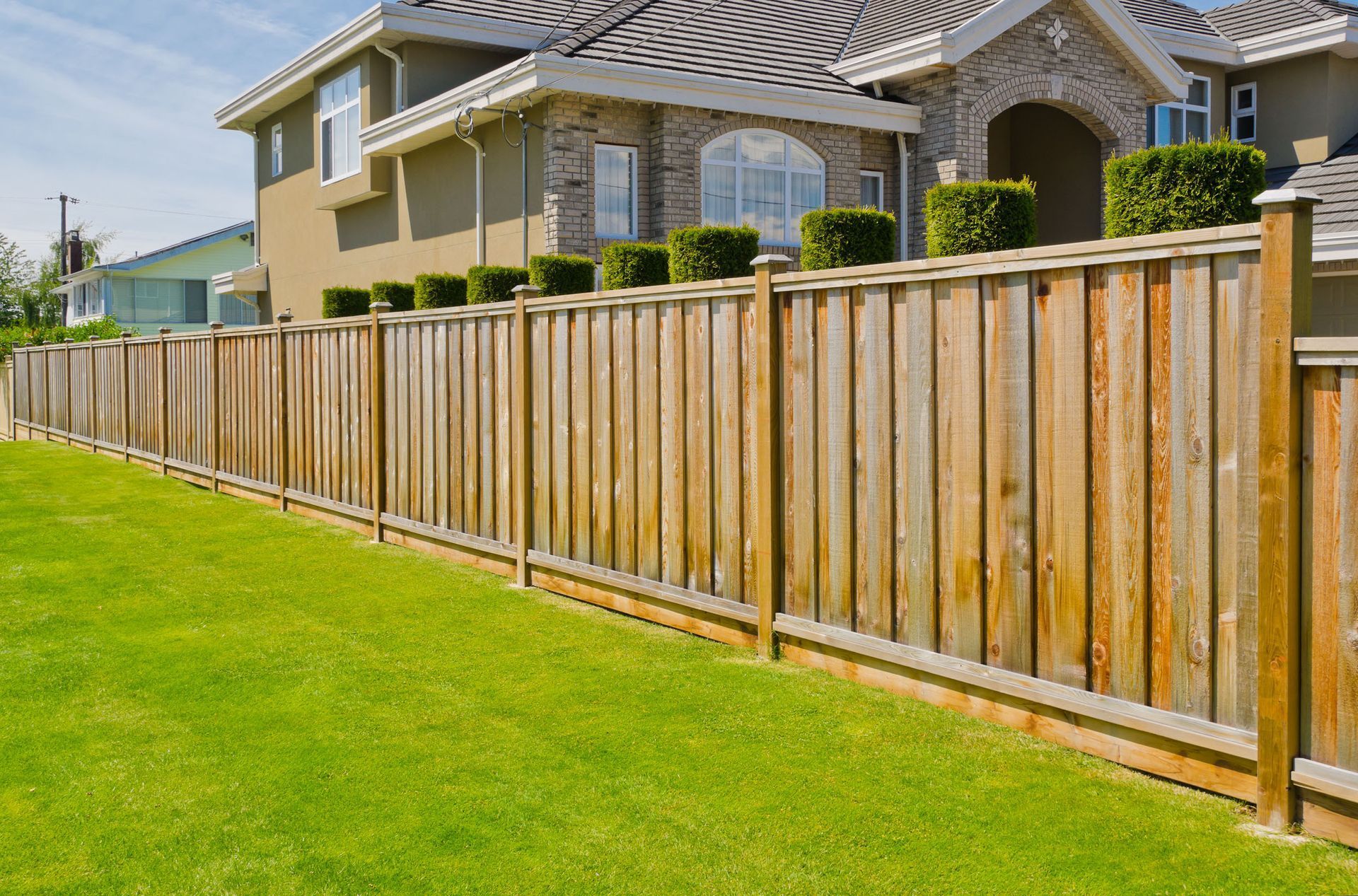
Wood fences offer a timeless aesthetic that enhances the beauty of any home landscape. They provide a versatile look that can complement both contemporary and traditional property styles. Besides their charming appearance, wood fences are functional, offering privacy, security, and a clear boundary between properties. A major advantage is their adaptability; wood can be cut to any height and tailored into various designs. However, the organic nature of wood means it needs regular maintenance, including cleaning and sealing, to prevent decay.
One drawback of wood fences is their vulnerability to environmental elements. Without proper treatment, they are prone to rotting, warping, and splitting due to moisture exposure. Insect infestation is also a concern, particularly for untreated or poorly maintained wood. Regular checks and maintenance can reduce these concerns, but they do require an investment of time and resources. Additionally, while initial costs are reasonable, ongoing maintenance and potential repair expenses can add up over the fence's lifespan.
The natural appeal of wood fences is undeniable, but they require a commitment to upkeep. The tradeoff between aesthetic value and maintenance effort should be weighed when choosing a wood fence. Selection of high-quality materials and implementing a robust maintenance plan can mitigate many drawbacks. For some, the long-term investment in care and potential for occasional repairs are worth the enduring beauty and functionality of a wooden fence. Ultimately, personal preferences combined with practical needs will dictate whether the benefits outweigh the drawbacks for individual homeowners.
Common Issues with Wood Fences
Wood fences face several common issues as they age, largely related to environmental exposure. Moisture is one of the biggest threats, leading to issues like rot, warping, and mildew growth. Temperature changes can also cause wood to expand and contract, leading to cracks and splits. Insect damage is another prevalent concern, with termites or carpenter ants capable of undermining a fence's structural integrity. Regular inspections are essential for identifying and addressing these issues before they escalate into significant problems.
Ignoring small issues in wood fences can lead to costly repairs down the line. For instance, a small section of rot left untreated might spread to other areas of the fence. Proactive maintenance, like applying sealants and managing vegetation around the fence, can protect against common issues. Addressing problems such as loose boards or broken posts early on can prevent further damage. Regularly scheduled maintenance checks help in recognizing these common issues in their infancy.
While no wood fence is entirely immune to these challenges, diligent care can prevent minor issues from becoming major headaches. Choosing high-quality wood and employing effective sealing and staining techniques can significantly mitigate many concerns. Environmental factors such as humidity and sunlight should also be considered when developing a maintenance routine. Ultimately, understanding the common issues that wood fences face allows homeowners to more effectively safeguard their investment. A preventative approach, combined with regular upkeep, leads to a longer-lasting, more beautiful wood fence.
Environmental Impact on Wood Fences
Environmental conditions significantly affect the longevity and condition of wood fences. Rain, snow, and humidity can introduce moisture into the wood, inducing conditions like rot and mildew. In regions with frequent rainfall, without proper treatment, wood fences are more susceptible to degradation. In contrast, areas with intense sunlight can see faster deterioration in the wood's appearance and structure due to UV exposure. Each climate type presents distinct challenges that homeowners must address to maintain a wood fence effectively.
Seasonal changes can exacerbate existing issues with wood fences. Winter cold can make wood brittle, increasing the chance of cracking and splintering. Similarly, temperature fluctuations can cause expansion and contraction in the wood, undermining its structural stability. Applying appropriate sealants and protective coatings can mitigate these effects, preserving the wood's integrity over time. Adjusting maintenance routines to climate-specific needs ensures that a wood fence can withstand environmental stressors.
The local environment impacts not only the frequency of maintenance required but also the type of treatments involved. For instance, in sunlit areas, UV protection becomes crucial, while in rainy locales, moisture barriers are essential. Recognizing the specific environmental challenges helps in designing a resilient maintenance strategy. Regularly reassessing this strategy in response to environmental changes prolongs the fence's functional and aesthetic life. Thus, tailoring maintenance efforts to confront environmental impacts is vital for the longevity of a wood fence.
Identifying Your Wood Fence Needs
Identifying the specific needs of your wood fence is the first step in crafting an effective maintenance plan. Observing the current condition of the fence helps pinpoint what specific care it requires, ranging from cleaning to repairs or protective treatments. Consider the age, type of wood, and initial treatment of the fence when evaluating its condition. This assessment will determine whether you need a thorough cleaning, minor repairs, or a fresh coat of sealant. An informed evaluation ensures that efforts are targeted and efficient.
Evaluating the fence's exposure to environmental factors gives insights into its specific maintenance requirements. For example, fences in shaded areas may need more attention for mold prevention compared to those in sunny locales. Similarly, fences near vegetation might face unique challenges such as insect infestations or damage from plant growth. Tailoring your maintenance approach to these factors optimizes efforts and resources. Regular re-evaluations help adjust the maintenance plan according to changes in environmental conditions. Be sure to reach out to Audubon Fence today for more information on our professional local fence company !